You’ve finally received the keys to your new home in Singapore—a blank canvas ready for your personal touch. Among the many exciting decisions you’ll face, choosing the right flooring is one of the most foundational. You’ve likely narrowed your search to two popular choices: homogeneous tiles and vinyl flooring. But how do you know which to pick?
While both offer a sleek look, understanding their distinct properties is essential for a choice that complements your lifestyle and the unique climate of our island city. Let’s take a deeper look at how they compare.
Homogeneous tiles are a type of unglazed ceramic tile made from a single, consistent mixture of clay, silica, and other minerals. The term “homogeneous” means that the tile’s colour and composition are the same throughout its entire thickness, from the surface to the base. This singular composition gives them exceptional durability and wear resistance.
In Singapore, homogeneous tiles are a common sight in residential and commercial spaces due to their robust nature and no-fuss maintenance. They’re available in various finishes, from polished and glossy to matte and textured, allowing them to adapt to different aesthetic needs.
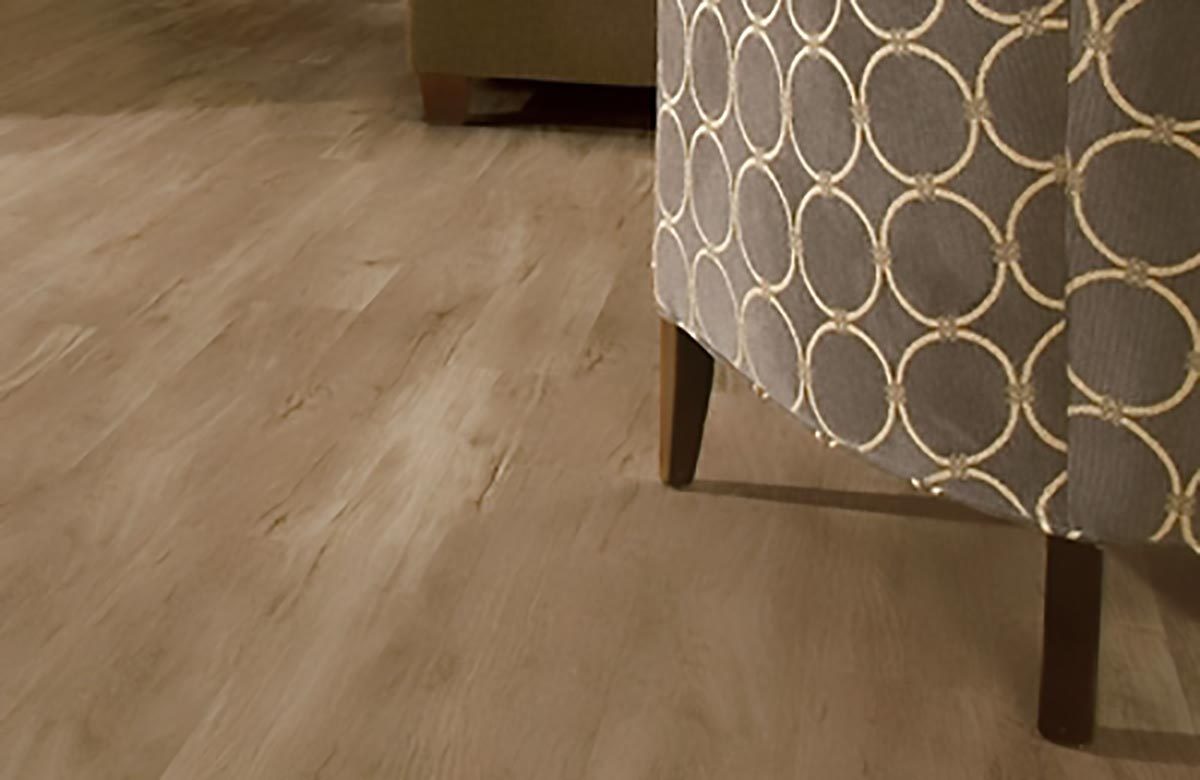
Vinyl tiles are a type of resilient flooring made from a synthetic material called polyvinyl chloride (PVC). They’re constructed in multiple layers, including a core for stability, a high-definition printed layer that mimics the look of natural materials, and a transparent wear layer for protection. This multi-layered construction gives vinyl tiles a unique combination of flexibility and durability.
In recent years, advancements in manufacturing have allowed for a wide variety of designs, from realistic wood grains to elegant stone patterns. Their waterproof nature and comfort underfoot have made them an increasingly popular alternative to traditional hard surfaces.
While both homogeneous tiles and vinyl flooring offer practical solutions for modern homes, they differ significantly in key areas. These distinctions can impact everything from the feel of your floor to your long-term renovation plans.
The Floor Gallery’s quality vinyl flooring comes equipped with a high-performance wear layer and advanced protective coatings, making it highly resistant to scratches, dents, and scuffs. This makes them a great option for residential homes and commercial areas with heavy foot traffic. Furthermore, modern vinyl planks have a greater load tolerance and are more forgiving under heavy furniture compared to homogeneous tiles.
While homogeneous tiles are also very hard and dense, they’re more susceptible to chipping or cracking if a heavy object is dropped on them. Once a homogeneous tile is chipped, the damage is permanent and can only be remedied by replacing the entire tile.
If you want the option to change your flooring in Singapore in the future without a major renovation, vinyl flooring is a clear winner. Certain vinyl products, such as our Engineered Timber, Solid Timber and Eco Resilient Flooring, can be easily installed, some even having a simple click-lock system or adhesive, which can be removed with relative ease. This flexibility allows for a swift and non-disruptive change.
In contrast, installing homogeneous tiles requires the tedious and labour-intensive process of hacking, or breaking up, the existing floor, followed by applying a new sand or cement screed before installation. Therefore, in terms of flexibility and long-term renovation options, vinyl tiles offer a much more convenient and less disruptive choice.
The way a floor reacts to moisture is a critical factor, especially in a humid climate. Homogeneous tiles are essentially impervious to water absorption. Their dense, non-porous composition ensures that water and spills remain on the surface, making them an excellent choice for wet areas like bathrooms and kitchens.
Similarly, modern vinyl tiles are also designed to be highly resistant to water. The individual planks or sheets are waterproof, and when properly installed with tight seams, they create a formidable barrier against moisture. This makes both options well-suited for wet environments like kitchens and bathrooms, offering a high level of protection against spills and humidity. Plus, many modern options feature slip-resistant properties, providing enhanced safety and peace of mind.
Homogeneous tiles have a natural resistance to most chemicals and stains due to their hardened, non-porous surface. Spills like coffee, wine, or oil can be wiped away easily without leaving a lasting mark. However, some acidic cleaners can potentially etch a polished finish over time.
On the other hand, vinyl flooring is also highly resistant to common household stains thanks to its protective wear layer, which acts as a barrier. While both are durable against chemicals and stains, it’s always best to clean spills promptly to prevent any potential damage.
Vinyl flooring stands out as one of the most versatile and durable choices for both residential and commercial spaces. Unlike rigid alternatives such as homogeneous tiles, vinyl offers comfort underfoot while still maintaining strong resistance to wear and tear. This makes it suitable for a wide range of applications — from high-traffic areas like retail stores, offices, and gyms to cozy living spaces at home.
Thanks to its flexibility and modern designs, vinyl flooring can easily adapt to different environments. Many homeowners choose it over homegenous tiles for living rooms and balconies, as it combines practicality with aesthetic appeal. Its ability to deliver long-lasting performance without compromising on style makes vinyl flooring the preferred solution for almost any setting.
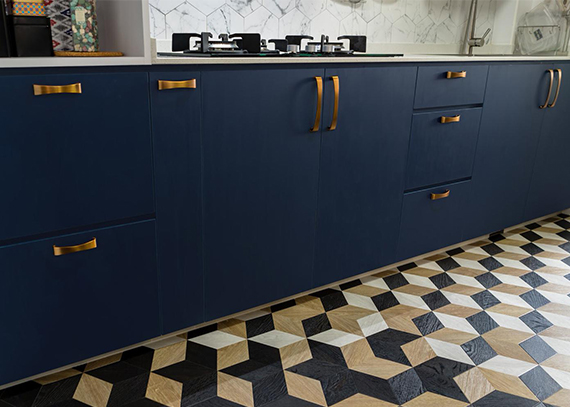
Beyond practicality, the visual appeal of your floor is key. The design options for both homogeneous tiles and vinyl flooring have expanded dramatically in recent years. While homogeneous tiles typically come in a wide range of colours and stone-like finishes, their designs can sometimes be limited to a classic or industrial aesthetic.
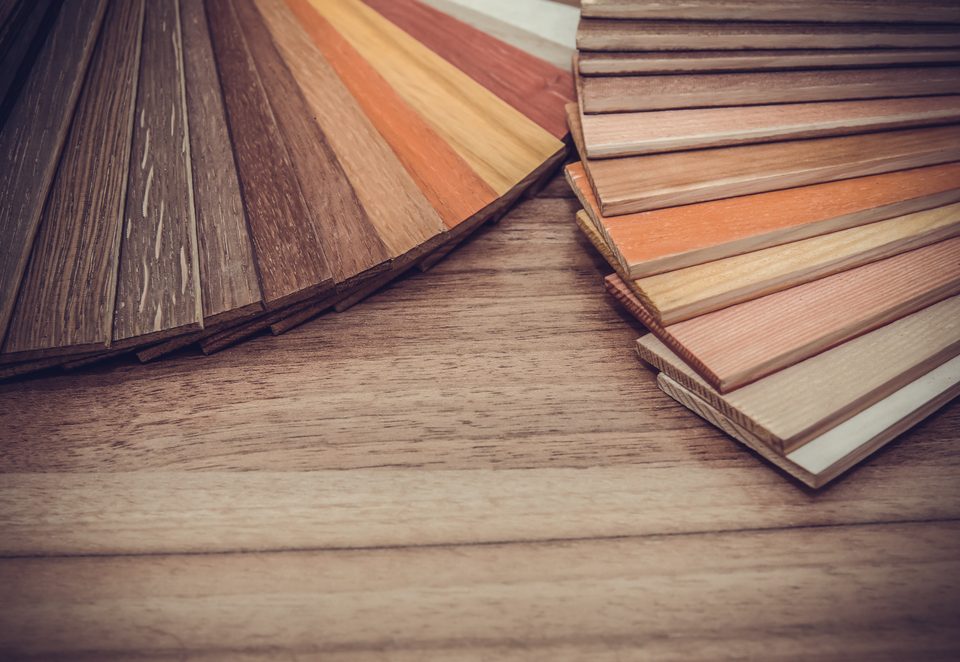
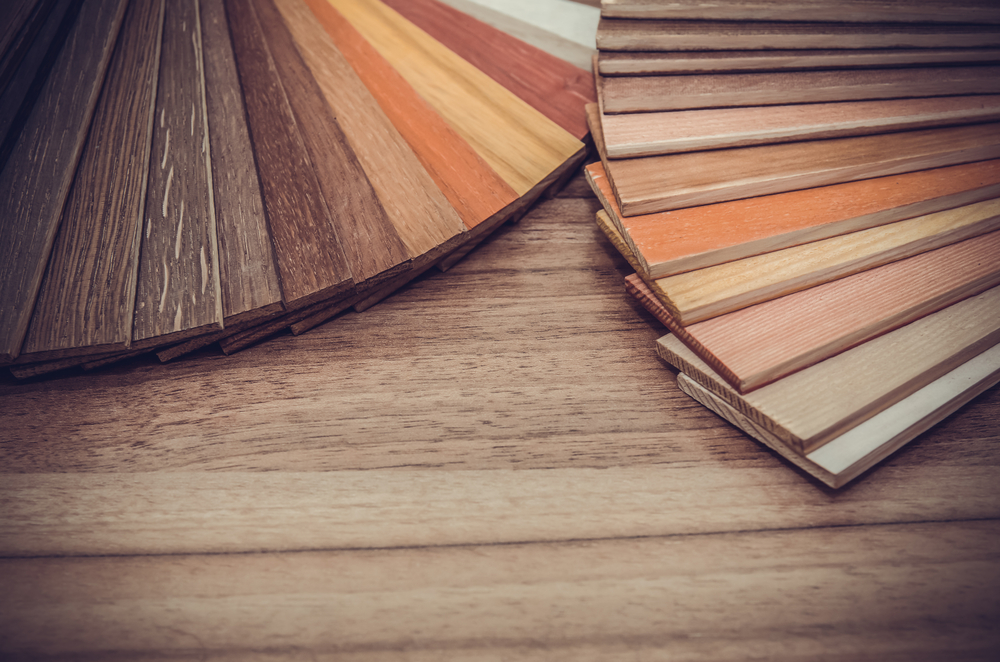
Vinyl flooring, however, has become a powerhouse of design possibilities. The newer range of vinyl products offers a vast variety of designs, from its popular realistic wood-look styles to intricate patterns and textures that mimic stone, slate, and, yes, even homogeneous tiles themselves. This allows vinyl to seamlessly integrate into almost any interior design style.
The choice between homogeneous tiles and vinyl planks ultimately depends on your personal needs and priorities. To make an informed decision, you need to understand what the disadvantages are for each option, as well as their strengths. By considering your lifestyle, budget, and design vision, you can make a choice that will truly serve your home for years to come.
Choosing between homogeneous tiles and vinyl flooring is a foundational decision that impacts the look, feel, and function of your home for years to come. It’s not simply about picking a colour or a pattern; it’s about selecting a surface that will truly support your lifestyle. Both materials offer distinct advantages, but by carefully weighing factors like durability, flexibility, and maintenance, you can ensure that your choice is a perfect fit for your family.
Choosing the right flooring can feel like a big decision, but you don’t have to navigate it alone. The Floor Gallery in Singapore is here to guide you through these options, helping you select the perfect foundation for your cherished home. Our team of experienced professionals understands the unique demands of a Singaporean home and can provide expert advice tailored to your lifestyle, budget, and design vision. After all, we believe that good workmanship is the foundation of long-lasting flooring, ensuring that your investment stands the test of time and looks beautiful for years to come.
Finding a suitable flooring? Discuss your best flooring options with us here →